

Pest control is a major concern for homeowners and businesses alike, as pests can pose considerable risks to well-being, real estate, and overall peace of mind. As we seek out more sustainable living practices, environmentally friendly solutions for pest control have emerged as viable alternatives to traditional methods. Understanding how to address pest problems while also being kind to the environment is vital in today's world.
In this article, we will explore a selection of eco-friendly pest management strategies, along with key tips to identify signs of infestations and how to select the right pest control company. From identifying common household pests to learning what protective measures can be taken, we aim to provide you with the information you need to protect your home from unwanted guests while being mindful of the impact on the environment.
Acknowledging the Need for Quality Pest Control
Identifying the symptoms of a pest infestation in your home is essential to preserving a safe home environment. Frequent signs include excrement, odd noises in the walls, or the presence of nests. If you detect an uptick in these signs, it is critical to take steps. Overlooking lawn pest management can lead to more extensive infestations, making the situation more complex and financially burdensome to resolve later on.
An additional red flag is the appearance of the pests themselves. If you observe recurring instances of rodents, pests, or roaches, it signals a possible infestation that may necessitate professional help. A variety of household pests reproduce quickly, which can escalate an initially manageable problem into a far more substantial challenge. Spotting these indicators early can conserve you time, financial resources, and anxiety down the line.
Additionally, if you try DIY remedies but find they are not yielding results, it may be appropriate to look for professional help. DIY methods can sometimes address small issues, but they usually fall short against major infestations. Professionals have access to the appropriate tools, knowledge, and green treatments that can deliver long-lasting solutions and prevent future pest problems. Knowing when to call the specialists is an important step in effective pest control.
Choosing the Best Pest Control Solution
As you select a pest management solution, it’s vital to explore and consider different options meticulously. Start by searching for companies that are licensed and insured, as this guarantees that they are qualified to manage pest management securely and efficiently. User feedback and ratings can offer important insights into the feedback of previous clients. Inquiring with the BBB can also assist uncover any concerns or problems with the provider.
Examine the methods that a pest control service uses. Green methods are increasingly popular, so it’s advantageous asking about their strategy to pest management. Firms that focus on secure, non-toxic techniques not only protect your home but also minimize damage to the surroundings. Make sure they provide clear details about the chemicals they use and how they impact both people's health and pets.
Lastly, assess the service quality aspect of the company. A reliable pest control solution should be willing to respond to questions, provide information on their methods, and offer follow-up programs tailored to your needs. Transparent dialogue can make a significant difference, particularly when handling persistent pest problems. Look for a company that is quick to respond and helpful throughout the pest control process.
Understanding Eco-Friendly Pest Control Solutions
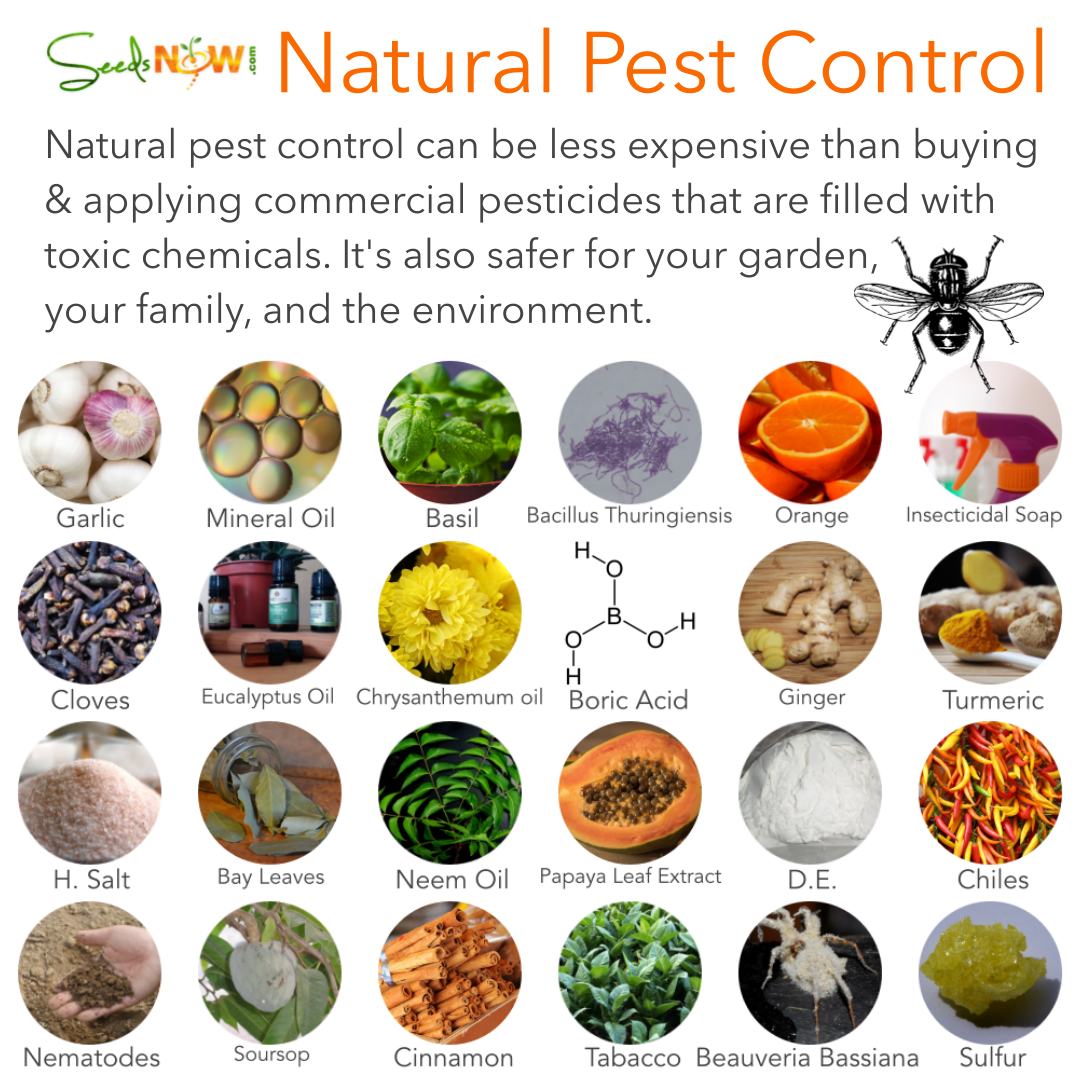
Eco-friendly bug control strategies concentrate on employing environmentally friendly practices and sustainable practices to control pest populations successfully while minimizing damage to the environment. These methods often utilize natural controls, for example, introducing natural predators or para site s that focus on specific pests. As an example, introducing ladybugs can aid regulate aphid populations, creating a stability in the ecosystem without using chemical pesticides. By understanding the pest's life cycle and behaviors, these approaches can be tailored to disturb their development naturally.
IPM is another essential strategy that emphasizes proactive measures and merges different sustainable practices. This involves frequent checking of pest activity, cultural practices such as changing cropping patterns or proper sanitation, and the application of natural repellents. By focusing on proactive measures initially, IPM helps lower the risk of bug invasions occurring in the beginning, effectively reducing the necessity of harsh treatments. This comprehensive method allows residents and establishments alike to promote a safer environment while addressing bug-related concerns.
In conclusion, customers are increasingly drawn to green options provided by bug control companies. These services often use non-toxic treatments and natural deterrents that are safe for people and the natural world. Choosing a bug control service that prioritizes green solutions not only guarantees efficient control but also supports broader ecological goals. As knowledge expands about the risks of conventional pest management techniques, for instance the possible health hazards and environmental damage, the need for non-toxic, options is on the rise. Therefore, sustainable pest management indicates a shift towards a healthier future in insect control.