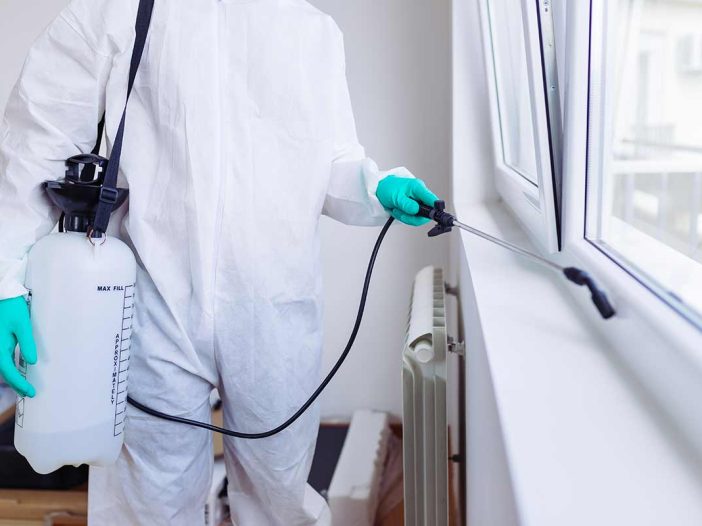
When regarding maintaining a safe and pleasant living environment, pest control is an important service that frequently is overlooked till it's just late. Numerous homeowners may notice the clear signs of a pest problem but are uncertain about whether to tackle it themselves or contact the experts. Grasping pest prevention near me of pest control laws and rules can help you take informed decisions, ensuring that both your home and the surrounding environment are protected.
In this article will walk you through the key aspects of pest management, from recognizing the top signs that you need expert pest control to choosing the appropriate company for your needs. With Visit This Link into the frequently encountered household pests and effective treatment strategies, you’ll learn why DIY solutions aren’t always the optimal choice and what to anticipate during a pest control visit. Additionally, we’ll explore preventative measures that can save you time and money in the long run, making it simpler for you to protect your home from unwanted invaders year-round.
Recognizing Insect Issues
The first step in effective pest control is noticing the indicators of an infestation. Many homeowners may ignore small indications at the beginning, such as abnormal droppings, gnaw marks, or nests. But, these little clues can provide critical hints about the type of pests entering your home. Pests like ants and roaches often leave evidence or visible harm, while rodents may create holes in walls or chew through insulation. Staying vigilant can help you catch a pest issue early before it escalates into a greater problem.
A further crucial aspect of recognizing pest problems is knowing the common household pests. Acquainting yourself with the habits, environments, and life cycles of pests like termites, bed bugs, and mice can aid in identifying an infestation earlier. Each kind of pest may exhibit distinct characteristics or patterns that, when recognized, can guide effective action. Being aware of what to look for can empower you to act quickly and efficiently, lessening the chance for further destruction to your house.
In conclusion, property owners should be aware of particular risk factors that make their homes more inviting to pests. Factors such as poor sanitation, clutter, and leaks can lure various pests. Conducting an inspection of your home regularly to check for signs of moisture, food sources, and entry points can help in keeping a pest-free environment. By being preventative and alert, you can remove possibilities for pests to flourish, safeguarding your house from unwanted pests.
Selecting a Pest Control Service
When selecting a pest control service, it is important to factor in the company's reputation and background in the industry. Begin by looking into local extermination companies and checking reviews from former clients. This can provide insights into their service quality and effectiveness. Additionally, check for any certifications that may be mandatory in your area, as these indicate that the company adheres to industry standards and requirements.
Another crucial factor is the selection of options offered. Some pest control companies concentrate in specific kinds of pests, while others may provide comprehensive treatments for a diverse of issues. Know what pests you are facing and verify that the provider you opt for has expertise in handling those particular infestations. It’s also advantageous to inquire about their pest management techniques, especially regarding green options, if that is a concern for you.
Lastly, consider the pricing and warranties provided by the pest control service. Request estimates from multiple services to contrast costs and ensure you are obtaining reasonable rates. A well-regarded company should also offer insurance to confirm the effectiveness of their methods. This can offer reassurance knowing that if pests return, the company will address the issue without additional charges. Ensure to understand the details of any agreements before agreeing to a service.
Prevention and Maintenance
Maintaining a pest-free environment requires ongoing attention and consistent preventive measures. One of the most effective strategies is to regularly inspect your home for any signs of pest activity. Look for droppings, hives, or any deterioration to your property that could indicate the presence of pests. Additionally, sealing cracks and crevices in walls, around doors and windows, and repairing any leaks can significantly lower the likelihood of infestations. A proactive approach, including regular inspections, is key to catching potential problems before they worsen.
Another essential component of prevention is hygiene. Reducing clutter and ensuring that food is kept properly can render your home less inviting to pests. Consistently cleaning areas such as kitchens and dining spaces, as well as quickly addressing spills and crumbs, can diminish the chances of pests like ants and roaches invading on your space. Furthermore, disposing of garbage in sealed containers and maintaining a tidy yard will discourage rodents and other pests that flourish in unkempt environments.
Finally, consider establishing a regular pest control maintenance schedule with a licensed company. Seasonal treatments can help address specific pests that are prevalent at various times of the year, ensuring that your home is protected against invasions. webpage , combined with your own vigilance and preventive practices, can create a robust defense against pests, protecting your home and your family's health.