

When it comes to keeping your home clear of pests, picking the appropriate approach can be a complex decision. In recent years, there has been an persistent debate between synthetic and organic pest control methods, each with its own set of advantages and drawbacks. Homeowners often find themselves asking what option is best for their specific needs, especially as the presence of pests can lead to major issues, in terms of structure and health.
In this post, we'll explore the multiple aspects of pest control, highlighting the key signs you need professional help, how to select the best pest control company, and the most common household pests you might face. We'll also look into why DIY solutions may not always suffice and what to anticipate during a professional pest control visit. With a lot to think about, understanding the nuances of chemical versus organic methods can help you make an educated decision that best protects your house and loved ones.
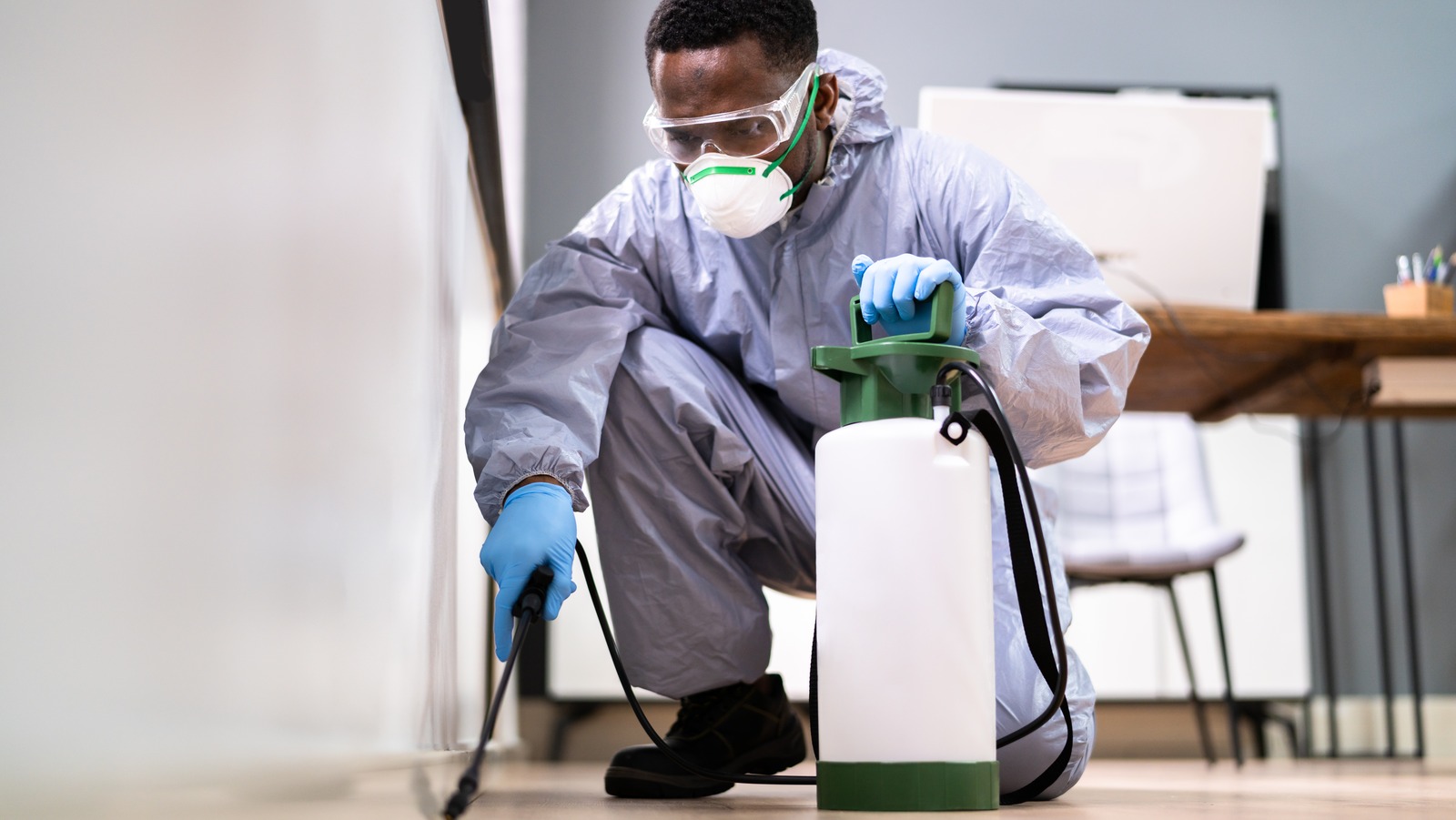
Signs You Need Professional Help
Noticing the signs that you need professional pest control is crucial for maintaining a clean and infestation-free environment in your home. One of the most obvious signs is the appearance of pests itself. If you notice insects like termites, or if you see signs of rats such as excrement or gnawed furniture, it suggests a potential pest issue that could increase if not handled immediately.
An additional sign to watch for is destruction to your property. Pests can cause significant harm, whether it’s termites compromising the stability of your home or rats damaging electrical wiring. If you find yourself see unusual holes in walls, weak areas in wood, or gnawed insulation, it's time to bring in the professionals to assess the situation before the damage gets worse.
Finally, if you’re consistently applying DIY pest control methods that fail, this is a clear sign that you may need specialized help. Continuous pest problems often suggest that the infestation is more severe than you thought, and professionals have the tools and expertise necessary to tackle complex pest issues successfully. Overlooking these signs can lead to more significant problems in the future, making prompt assistance essential.
Determining the Right Pest Control Company
Determining the right pest control company can significantly influence the success of your pest management efforts. Begin by looking into local services and checking feedback, as these provide information into customer satisfaction and service quality. Look for services with strong credentials, such as licenses and qualifications, which show their compliance with sector standards and regulations. Additionally, ensure that the service you choose delivers a range of services customized to your specific pest control demands, whether that includes managing ants, termites, or rodents.
An additional key factor is the methods used by the pest control service. visite site on standard chemical treatments, while alternative providers may offer eco-friendly pest control options. If you have children or pets, knowing the safety measures of the products being utilized is vital. Don't be reluctant to ask the company about their techniques and the potential effects on your home environment. A reliable service should be honest about their practices and willing to respond to any of your questions.
Finally, consider the company’s customer support and follow-up services. https://clinekragelund5.livejournal.com/profile should not only treat your existing pest issues but also provide ongoing support and proactive measures. Inquire about their inspection schedules and guarantee agreements to ensure you have full coverage. Effective pest control is not just a single fix; it's about creating a collaboration that keeps your home pest-free in the long run.
Grasping Options for Pest Control
Regarding pest control, homeowners often find themselves considering the benefits of traditional versus natural methods. Synthetic pest control has long been a preferred solution for its effectiveness in rapidly eradicating pests, particularly in major infestations. These products usually contain strong ingredients that target a broad range of pests, from common household nuisances like ants and roaches to more grave threats such as termites. However, there are issues about the possible health risks associated with chemical usage, especially for families with little children or pets.
On the other hand, organic pest control focuses on using eco-friendly materials and methods to deter pests. These options are generally safer for the planet and human health, suitable for those looking for green solutions. Organic methods may include diatomaceous earth, essential oils, or biological controls such as adding beneficial insects. While these solutions often require a greater timeframe to see results compared to chemical methods, many homeowners appreciate the peace of mind that comes with using non-toxic materials around their living spaces.
Ultimately, figuring out which pest control option is best for you involves considering various factors such as the type of pest, the extent of the infestation, and the specific needs of your household. Consulting with https://flynn-upchurch-4.technetbloggers.de/battling-bugs-strategic-insect-control-methods can provide valuable insights on the most successful and safe strategies tailored to your situation. Whether you choose chemical or natural methods, understanding your options enables you to make informed decisions and maintain a pest-free home efficiently.